
How Long Does a Home Inspection Take?
A home inspection should be thorough, not rushed. Discover what affects the inspection timeline and how to prepare for inspection day.
How Long Does a Home Inspection Take?
When you’re buying a home, inspection day can feel like one of the most important moments in the process. Understanding how long it may take—and what happens during that time—can help you arrive prepared.
How Much Time Should You Allow?
There is no single inspection length that applies to every property. Homebuyers should generally set aside a few hours, but the actual time depends on the home’s size, age, condition, accessibility, and features.
A careful inspector needs enough time to evaluate the home’s visible and accessible systems without rushing. A larger or older property may require more time than a smaller, recently built home.
What Can Affect the Inspection Timeline?
1. The Size and Layout of the Home
More rooms, bathrooms, floors, systems, and exterior areas naturally take longer to inspect. Complex layouts and detached structures may also add time to the process.
2. The Home’s Age
Older homes may contain aging materials, previous repairs, additions, or systems that require closer examination. The inspector may need additional time to document visible conditions clearly.
3. The Property’s Condition
When an inspector discovers visible concerns, additional time may be needed to examine the surrounding area, take photographs, and document the findings accurately.
4. Accessibility
Attics, crawl spaces, electrical panels, water heaters, and other important areas should be reasonably accessible. Stored belongings, locked doors, or blocked equipment can slow the inspection and may prevent certain areas from being evaluated.
5. Additional Inspection Services
Services such as radon inspections or mold testing may involve additional procedures. Ask your inspector in advance how any requested services could affect the appointment.
What Happens During a Home Inspection?
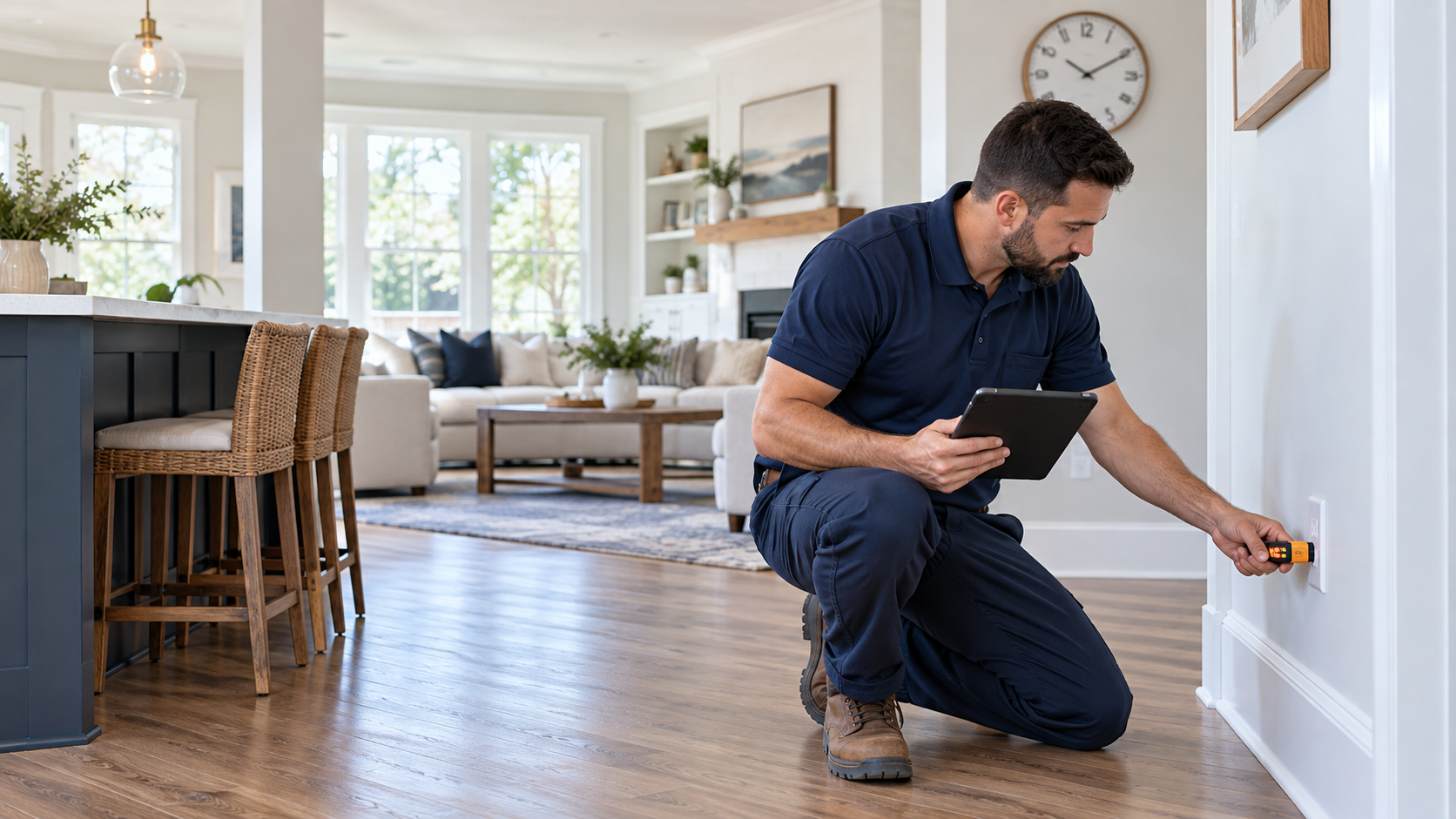
During the appointment, the inspector examines the home’s visible and accessible components. Depending on the property, this may include:
- Roofing and exterior surfaces
- Foundation and visible structural components
- Attic and insulation
- Heating and cooling systems
- Plumbing fixtures and visible piping
- Electrical panels, outlets, and fixtures
- Walls, ceilings, floors, windows, and doors
- Kitchen appliances included within the inspection scope
- Bathrooms and other interior areas
- Basements, crawl spaces, and garages when accessible
The inspector also photographs and documents relevant observations for the inspection report. This documentation helps buyers understand the home beyond what they may have noticed during a showing.
Should Buyers Attend the Inspection?
Buyers should attend when possible, especially near the end of the appointment. This gives you an opportunity to see important observations, ask questions, and learn more about the home’s systems.
You don’t need to follow the inspector through every space. Allowing the inspector to work carefully while remaining available for questions can make the experience more productive.
Why a Home Inspection Shouldn’t Be Rushed
A shorter appointment isn’t necessarily a better one. The purpose of the inspection is to provide useful information about the property’s visible condition—not simply to complete a checklist as quickly as possible.
Important concerns aren’t always obvious. Giving the inspector adequate time supports careful observation, clear documentation, and a more useful report for your decision-making process.
How to Prepare for Inspection Day
- Confirm the appointment time and property address.
- Allow several hours in your schedule so you don’t feel rushed.
- Write down any questions you have about the property.
- Wear comfortable clothing and appropriate shoes.
- Confirm that the utilities are on and key areas are accessible.
- Ask when and how your inspection report will be delivered.
What Happens After the Inspection?
After the property has been inspected, you’ll receive a report outlining the inspector’s observations. Review the entire report carefully rather than focusing only on individual photographs or highlighted concerns.
If something is unclear, ask your inspector for an explanation. You may also need to consult an appropriate specialist when an issue requires further evaluation.
Schedule a Home Inspection in Smyrna, GA
Buying a home is a major decision. Onit Inspections provides professional home inspections, detailed reports, local expertise, and buyer-focused guidance for clients in Smyrna and surrounding communities.
Know your home before you call it home.
Book an Inspection: https://www.onitinspections.net/contact
Questions? Call (404) 239-2240 or email Info@onitinspections.net.
Have questions about a property?
Book an Inspection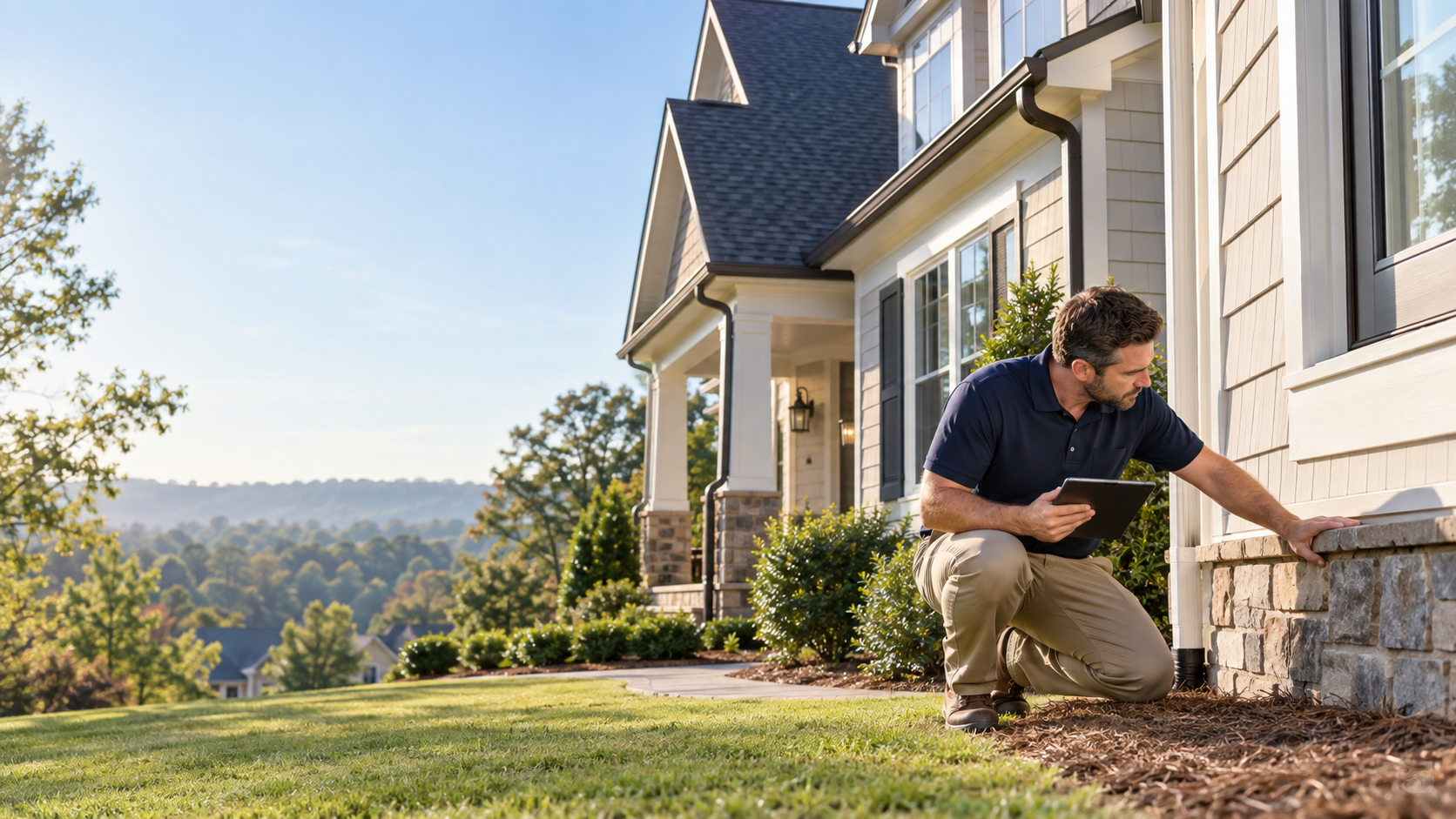
Ready to Schedule Your Inspection?
Book online through our scheduler or give us a call.