7 Home Inspection Red Flags Buyers Should Know | Onit Inspections
Not every inspection finding is a deal-breaker, but some deserve closer attention. Learn about seven red flags buyers should understand before moving forward.
7 Home Inspection Red Flags Buyers Shouldn’t Ignore
No home is perfect. Even a property that appears well-maintained can have concerns that aren’t obvious during a showing.
A home inspection helps you better understand the property’s visible condition before making one of life’s biggest financial decisions. While many findings involve routine maintenance, some may require further evaluation or repairs.
Here are seven home inspection red flags buyers should understand before moving forward.
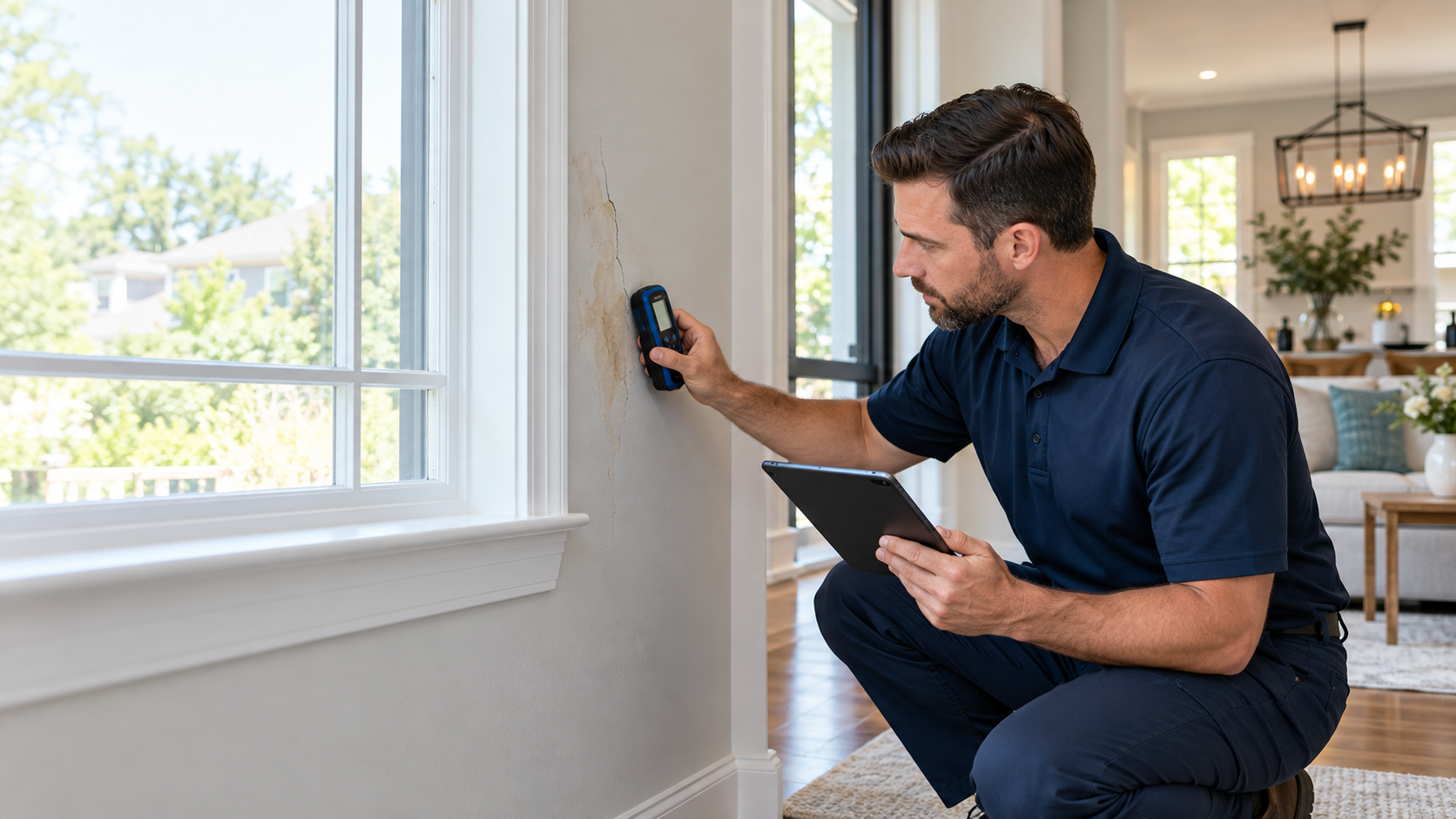
1. Signs of Water Intrusion
Water can enter a home through the roof, foundation, plumbing system, windows, or exterior surfaces. Even if an area feels dry during the inspection, visible staining or damaged materials may indicate a current or previous moisture problem.
Possible warning signs include:
- Stains on walls or ceilings
- Discoloration around windows
- Dampness in a basement or crawl space
- Soft or damaged materials
- Peeling or bubbling paint
- Musty odors
A home inspector can document visible signs of moisture, but additional evaluation may be recommended to determine the source and extent of the concern.
2. Foundation or Structural Concerns
Not every crack indicates a serious structural problem. Homes naturally settle, and some small cracks may be cosmetic. However, certain visible conditions deserve closer attention.
These may include:
- Large or widening cracks
- Uneven or sloping floors
- Doors or windows that don’t operate properly
- Separation around walls, ceilings, or exterior surfaces
- Visible movement in structural components
If the inspector observes a potentially significant concern, a qualified structural professional may need to evaluate it further.
3. Roofing Damage or Deterioration
The roof protects the entire home from weather and moisture. Missing materials, visible deterioration, damaged flashing, or signs of previous leakage may indicate that repairs are needed.
Roof-related observations may include:
- Missing or damaged shingles
- Exposed fasteners
- Damaged flashing
- Sagging or uneven areas
- Stains inside the attic
- Deteriorated seals around roof penetrations
Some roofs can be repaired, while others may be approaching the end of their useful service life. The inspection report can help you understand the visible condition, but a roofing contractor may be needed for repair estimates or specialized evaluation.
4. Electrical Safety Concerns
Electrical problems may create safety risks and should be taken seriously. Some issues may be relatively simple to correct, while others could require more extensive work.
An inspector may identify concerns such as:
- Damaged or exposed wiring
- Improper electrical connections
- Missing protective covers
- Outlets that don’t function properly
- Electrical panel concerns
- Missing protection in locations where it may be needed
Electrical repairs should be completed by an appropriately qualified professional. Buyers should avoid assuming that a small visible issue is the only concern until the system has been properly evaluated.
5. Plumbing Problems
A dripping faucet may be a minor repair, but other plumbing concerns can lead to water damage, higher utility costs, or inconvenient repairs after moving in.
Potential warning signs include:
- Active leaks
- Slow drainage
- Low water pressure
- Corrosion on visible piping
- Water stains beneath fixtures
- Loose toilets
- Improperly functioning fixtures
The inspector will evaluate visible and accessible plumbing components. Pipes concealed behind walls, beneath floors, or underground generally cannot be fully examined during a standard inspection.
6. Heating and Cooling System Concerns
Heating and cooling equipment plays an important role in the home’s comfort. A system that doesn’t operate properly—or shows signs of poor maintenance—may require service, repair, or additional evaluation.
Common observations may include:
- The system doesn’t respond normally to controls
- Unusual sounds during operation
- Visible deterioration
- Damaged or disconnected components
- Poor airflow from accessible vents
- Evidence of deferred maintenance
The inspector can evaluate the system’s basic operation under normal conditions. A licensed HVAC professional may be recommended when a concern requires diagnosis or specialized testing.
7. Evidence of Deferred Maintenance
One minor maintenance item may not be alarming. However, numerous neglected repairs throughout the property can suggest that larger systems may not have received regular attention.
Examples may include:
- Deteriorated exterior caulking
- Damaged siding or trim
- Clogged or damaged gutters
- Loose railings
- Missing insulation
- Damaged doors or windows
- Multiple unfinished repairs
Deferred maintenance doesn’t automatically mean you should walk away from the home. It does mean you should carefully review the report and consider the potential cost and effort involved after closing.
Does a Red Flag Mean You Shouldn’t Buy the Home?
Not necessarily.
The purpose of a home inspection isn’t to pass or fail the property. It is to give you a clearer understanding of its visible condition at the time of the inspection.
Some concerns may require simple repairs. Others may need additional evaluation, cost estimates, or a conversation with your real estate professional before you decide how to proceed.
The important thing is to understand what was observed and avoid making assumptions about anything that remains unclear.
What Should You Do After Receiving the Report?
After receiving your inspection report:
- Read the complete report carefully.
- Ask your inspector about anything you don’t understand.
- Identify which findings may require further evaluation.
- Obtain repair estimates when appropriate.
- Discuss your options with your real estate professional.
- Consider both immediate repairs and future maintenance needs.
Try not to focus only on the number of findings. A detailed report may include small maintenance recommendations alongside more important concerns. Pay attention to the nature and potential impact of each observation.
Schedule a Home Inspection in Smyrna, GA
A home may look great during a showing, but its condition involves much more than fresh paint and attractive finishes.
Onit Inspections provides professional home inspections, detailed reports, local expertise, and buyer-focused guidance for clients in Smyrna and surrounding communities.
Know your home before you call it home.
Book an Inspection: https://www.onitinspections.net/contact
Questions? Call (404) 239-2240 or email Info@onitinspections.net.
Have questions about a property?
Book an InspectionKEEP READING
Related Articles

How Long Does a Home Inspection Take?
A home inspection should be thorough, not rushed. Discover what affects the inspection timeline and how to prepare for inspection day.
Read article
What Does a Home Inspection Cover? A Smyrna Homebuyer’s Guide
Buying a home in Smyrna? Learn which parts of a house are commonly reviewed during a home inspection, what an inspection may not reveal, and how to use your report.
Read articleReady to Schedule Your Inspection?
Book online through our scheduler or give us a call.